
Nature Etiquette Monthly: Leave the Leaves
A Simple Way to Support Blairstown’s Wildlife This Fall
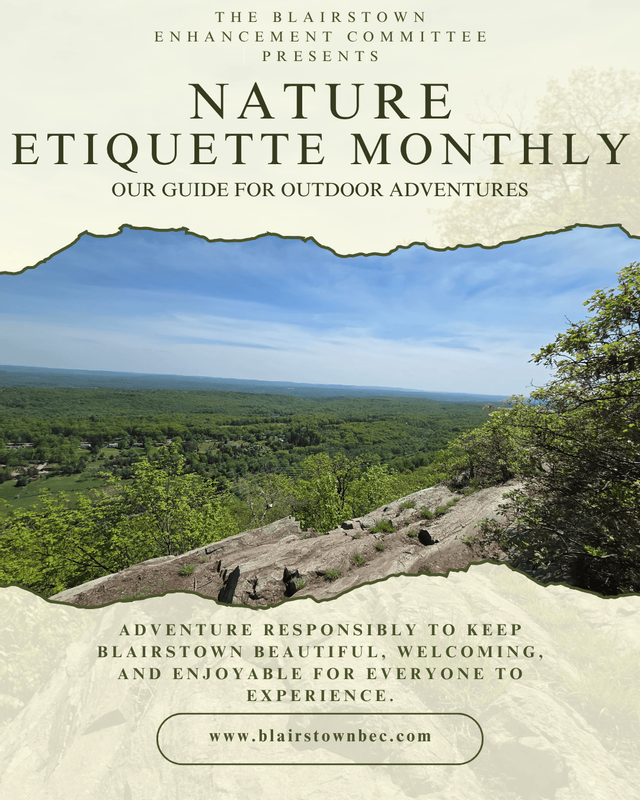
You may have notices on your daily walks, or when you glance up at a flash of red in the foliage, that the first hints of fall have started to arrive in Blairstown. Our landscape starts one of its most breathtaking transformations. Before long, our lush greenery will turn shades of red, orange, and gold, and many of those colorful leaves will eventually end up on our lawns, gardens, and sidewalks.
For many of us, that means it's time to grab the rake or leaf blower and start cleaning up. But before you clear away those leaves, consider giving some of them a second purpose.
Fallen leaves aren't simply yard waste. They are part of a natural cycle that helps protect wildlife, improve soil, retain moisture, and return nutrients to the landscape. That does this mean for your lawn? Grass stays insulated, which means less re-planting for homeowners, and essential wildlife maintains their habitat for the cold months.
This fall, the Blairstown Enhancement Committee encourages our community to consider leaving some leaves where they fall, move others into garden beds, or turn them into compost.
Fallen Leaves Are Habitat
When you take a walk through the woods around Blairstown in autumn and you'll notice that no one is raking the forest floor. Fallen leaves accumulate beneath trees, shrubs, and plants. We've been trained to view this natural occurrence in our lawns as an eyesore, but we urge you to look at these piles as part of the cycle of nature that serves an important purpose.
Leaves create a protected microhabitat where insects and other small animals can shelter, feed, reproduce, and overwinter. They also help retain moisture and protect the soil beneath them.
Removing every leaf from our yards removes some of that habitat with it.
That doesn't mean your entire lawn needs to disappear beneath a blanket of leaves. Instead, consider designating portions of your property where nature can be a little less tidy.
Rake leaves from walkways, driveways, storm drains, and heavily used lawn areas into garden beds, around trees and shrubs, or along a wooded edge. Even a small area of undisturbed leaves can provide valuable habitat.
Want More Lightning Bugs Next Summer? Start This Fall.
Few things say summer in Blairstown quite like watching lightning bugs flash across a backyard, field, or wooded edge after sunset. Those evening drives wouldn't be complete without a light show in your periphery, and protecting them for next year begins long before we see the first flashes.
The United States is home to more than 175 species of fireflies, and while different species face different challenges, firefly populations are threatened by habitat loss, artificial light at night, pesticide use, and climate change. Research suggests that as many as one-third of firefly species in the United States could be at risk of extinction.
While we usually notice fireflies during their glowing adult stage, that's only one small portion of their life cycle.
At different times of the year, fireflies may be living around us as eggs, larvae, or pupae. These immature stages can be found in leaf litter, beneath rocks and moss, around rotting wood, in small burrows, and even within the bark of trees.
That's where our fall cleanup habits come into play.
When every leaf, fallen branch, and piece of natural debris is removed from a property, we can unintentionally eliminate the sheltered habitat that fireflies and other wildlife rely on.
Fireflies need four particularly important things from their habitat: darkness, moisture, shelter, and food. Allowing leaves to accumulate in portions of your property can help provide several of those needs.
Consider creating a small "wildlife corner" in your yard this fall. A wooded edge, area beneath shrubs, back garden bed, or other low-traffic spot can become a place where leaves remain and nature is allowed to take its course.
It doesn't have to be large, a small area can provide a refuge for fireflies and the creatures they rely on for food.
A little bit of mess can mean a lot more habitat.
Passing the Wonder Along
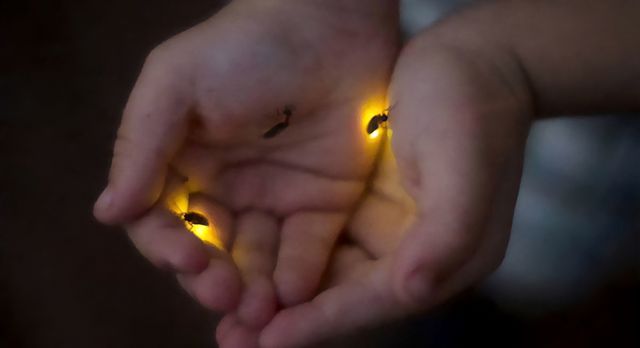
For many of us, fireflies are woven into our childhood memories of summer, watching them flicker across the yard, chasing them through the grass, or carefully catching a few in your palms just to marvel at their glow before letting them go.
We grew up with that simple, natural, wonder. Our children deserve the chance to experience it, too.
Protecting habitat today helps ensure that future generations can grow up with lightning bugs as part of their summer night instead of a story they hear about from ours. By leaving a little space for nature in our own backyards, we can help pass along the magic that made our own childhood summers so memorable.
Find a Balance: Compost, Clean Up, and Leave Some for Wildlife
"Leave the leaves" doesn't mean you have to stop caring for your yard or let every fallen leaf remain exactly where it lands. Try instead, reconsidering the idea that every leaf needs to be removed from your property. Find a balance that works for your yard and for the wildlife that shares it with you.
Clear leaves from: sidewalks, driveways, storm drains, heavily used spaces, roads, and areas where a thick layer could create problems.
Leave leaves in: garden beds, wooded edges, beneath shrubs and trees, and other low-traffic areas where they can provide shelter, retain moisture, and naturally break down.
Compost the extras: If you have more leaves than you can reasonably leave or use as mulch, add them to your compost pile or contact a local non-profit that may take brush. Dry fallen leaves are a valuable carbon-rich "brown" materialthat, when combined with nitrogen-rich "green" materials like grass clippings and appropriate kitchen scraps, can eventually become nutrient-rich compost for your garden. You can even save a pile of dry leaves to add to your compost throughout the year.
Create a wildlife corner: Choose one portion of your property where leaves, native plants, fallen branches, and other natural materials can remain relatively undisturbed. It doesn't have to be large to offer valuable shelter for insects and other wildlife.
Instead of treating fallen leaves as something that needs to be thrown away, think of them as a free resource. Leave some for wildlife, use some in your garden, and compost the rest.
You can have an attractive, cared-for property while still leaving room for nature.
Let's Preserve Blairstown's Natural Beauty
Blairstown's natural beauty is one of the things that makes our community special. Protecting it doesn't always require a major conservation project, sometimes it can be as simple as changing what we do with the leaves already falling in our own backyards.
This autumn, let some leaves remain beneath your trees. Give insects and wildlife a place to spend the winter, and when the fireflies begin flashing across Blairstown again next summer, you might just be glad you did.