
Addressing Food Insecurity in West Virginia During a Government Shutdown
Government shutdowns create serious problems for West Virginians, especially for those who struggle with food insecurity. During these shutdowns, vital programs that help low-income families, seniors, and children can face interruptions.
Local food banks and community organizations are crucial during these times, but they also face challenges. With rising demand and limited resources, it is more important than ever for our communities to support local food programs and fight for food security.
As we deal with the effects of government decisions, let’s keep in mind those who are most vulnerable. Together, we can raise awareness and work hard to ensure every West Virginian has access to their next meal.
Try This WV unveiled a fantastic resource guide designed to help individuals find the support they need during these challenging times! Community member and Director Brittney Barlett, along with Mel Young, have worked hard to create this invaluable tool. Brittney shared some details about how this guide can truly make a difference for those in need.
Can you provide an overview of the new food security resource guide and its primary objectives?
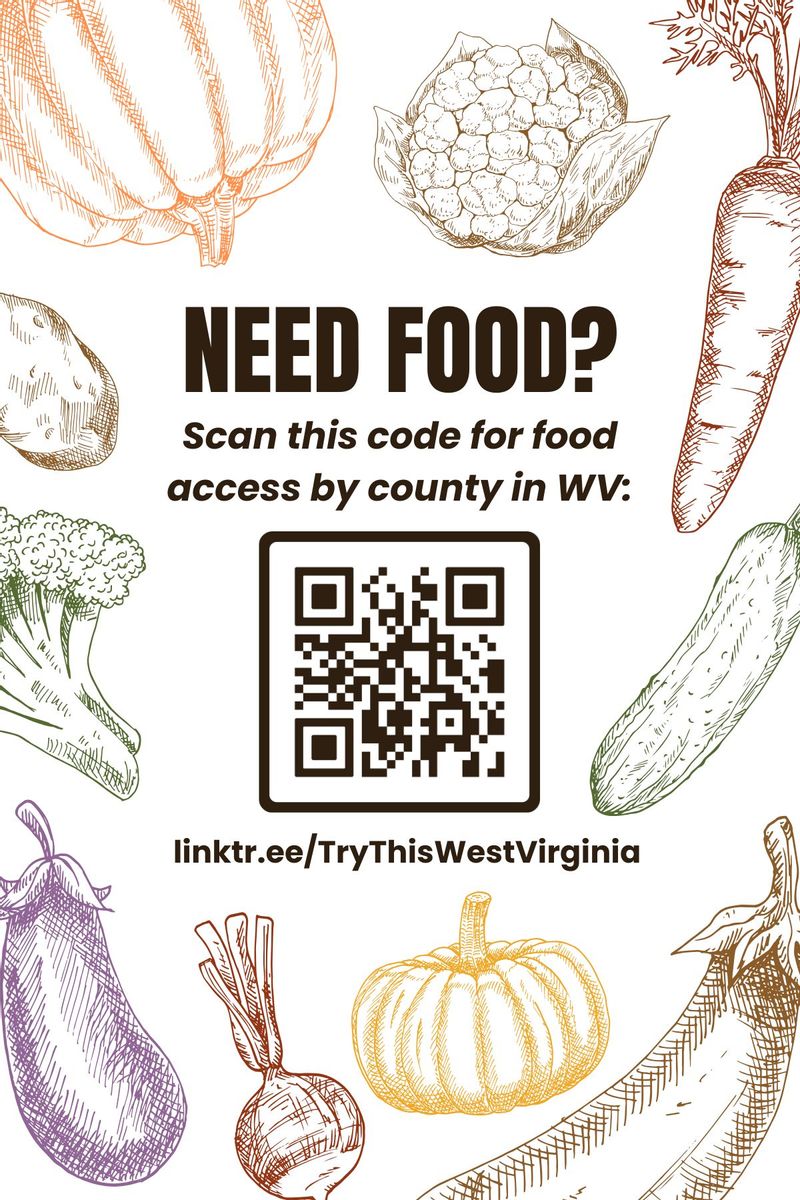
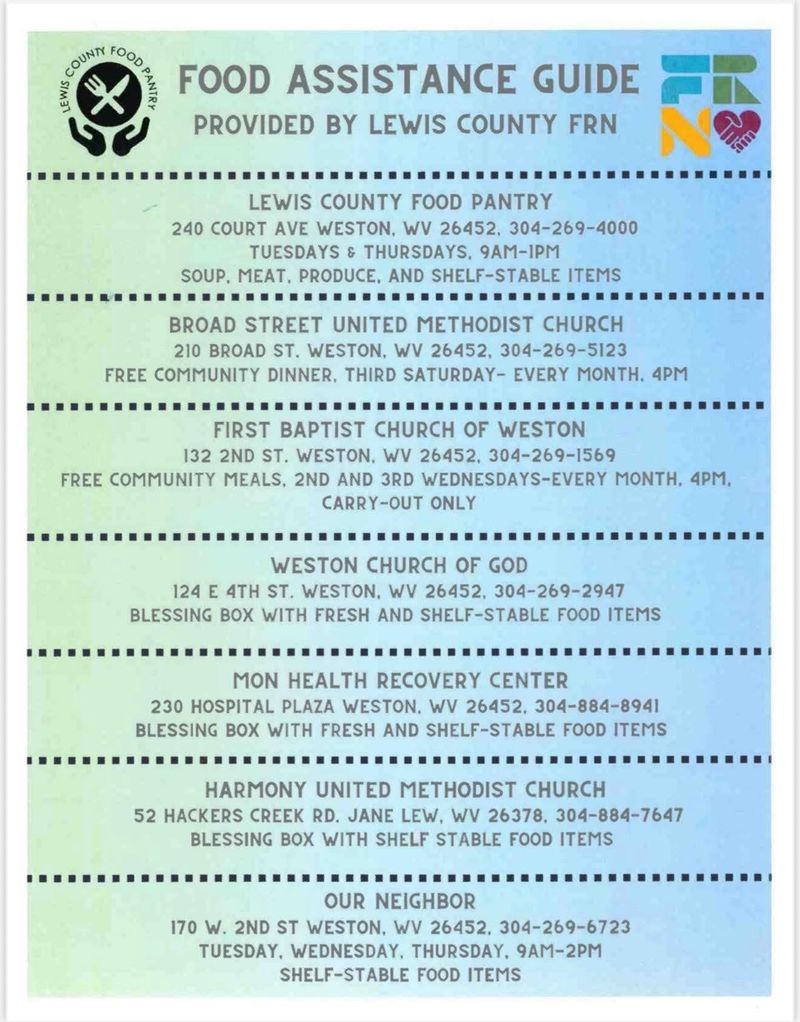
The food guide was an idea that cropped up in my weekly meeting with Mel as something we might encourage folks to use for Halloween events, like trick-or-treat and trunk-or-treat, since so many families are going to be in need starting these weeks and also are likely to be traveling into town. The guide is simple - it's a Google Doc for each county that is labeled on our Linktree that has an alphabetical list of the food security resources we have been able to find. Most are food pantries or free meal events, but some also contain blessing boxes/little free pantry locations. While this was inspired for Halloween, the longevity of the project was apparent. While the primary objective was to get as much information live as quickly as possible - we have a document for every county formatted and editable within 1 week of generating the idea - we know that refining and updating that information will be ongoing, and that this QR code and Linktree can be used forever by anyone who wants to.
What inspired the creation of this resource guide, and how does it align with the overall mission of Try This WV?
Mostly answered above, but for our mission, we focus on physical activity and healthy food efforts. This usually looks like making food pantries healthier or advocating for cooking classes or recipe guides to help folks utilize fresh produce that they might not know how to cook. However, nobody is healthy when they are hungry, and so getting as much food in the hands of hungry West Virginians as possible is a current priority amidst the political harm we are collectively experiencing.
Who are the intended users of the food security resource guide, and how do you envision them benefiting from it?
Anyone can use it! The reason we made the "Need Food?" graphic is so simple because we want anyone to be able to find the information immediately and without promoting any cause or organization. We assume that folks who have experienced chronic food insecurity are likely to already know what resources exist in their communities. However, families who have relied heavily on SNAP without having to utilize food pantries are likely to be hunting down that information, which can be confusing and out-of-date. Being hungry is scary, and not knowing how you'll feed your family is terrifying - we want to make it as quick and painless as possible to find information people need.
In what ways does the guide address the specific food security challenges faced by communities in West Virginia?
The guide provides free resources specifically. Food pantries, blessing boxes, and community meals. It's also difficult to know what you might need to access a pantry. Some, like the Salvation Army, limit you to only using their pantries, with exceptions like Mountaineer Food Bank. Some require ID and income limits. Some distribute weekly or monthly. Some require residency in a specific county. Some also offer more resources - like clothing, utility assistance, evening/weekend hours, and even delivery. In West Virginia, not everything is "online" so it makes it difficult to have all the information you need. And you don't know what you don't know, so even if you call, you might not know what questions to ask. We have tried to include everything we know about each resource in one place.
How do you plan to promote the guide and ensure it reaches those who need it most?
Partnerships! We have seen a skyrocket in access to our Facebook Group - over 7,000 on just the day we posted - and countless emails, calls, and messages with updated information to try to help. We are encouraging individuals and partners to distribute this for Halloween, but to also post it at local churches, bulletin boards, distribute at community events, etc. The more we can get it in the hands of folks, the more that information can spread to friends and neighbors. The Center for Excellence in Disabilities just reached out to ask if they can form an interactive map using the data compiled and FRNs and FSCs are generating their own community graphics. The QR code has been scanned over 300 times and the Linktree has been viewed over 1,000 times despite only being live since the 24th and the counties only being finished late on the 28th. I think those numbers will continue to climb and we are hoping our partners will continue to come up with creative ways to spread the information into communities of need, especially our mutual aid partners.
How can individuals and organizations get involved in supporting food security initiatives in West Virginia based on the resources available in the guide?
Find their local resources on the list and ask them directly how they can be helpful! The people doing the work know how best they can be supported. They can also start meal chains - offer to make a couple meal prep meals for a neighbor who is struggling. Drop some cans in a blessing box. Create a blessing tote and put it at your curb and encourage your neighbors to drop stuff in. Donate to a charity. Volunteer at a meal event. Many communities are getting their local restaurants to collaborate to offer free kid meals for every day of the week so families have somewhere they can go to feed their children, which is amazing. You can also reach out to us about collaborating on a larger scale if someone has a great idea on how to promote these resources.
How does the guide address both immediate food needs and long-term sustainable food solutions?
Immediately, it helps get West Virginians the information they need to get food in their hands. Long-term, it is not addressing the root issues that create food insecurity in the first place. Systemic poverty is an issue that needs to be solved by those in power - we can only circumvent through mutual aid networks and put a bandage on the wounds caused by systemic poverty.
Finally, what is your vision for the future of food security in West Virginia, and how does this guide fit into that vision?
I envision a day when this guide isn't needed! Food security should be the status quo for all West Virginians. We should be focusing on how to improve our diets and utilize an abundance of produce, not finding whatever we can for our next meal. I wish this guide wasn't needed, but in the meantime, I'm glad to have played a role in making it happen.
Click an image below to display the larger version.
City Of Weston
102 W 2nd St
Weston, WV 26452
(304) 269-6141
cityofwestonwv.com