
Spring Break, Reimagined

Spring Break has a way of sneaking up on families. One minute you’re packing lunches and checking homework, and the next you’re staring at a school calendar wondering if you should be booking flights, planning road trips, or apologizing to your kids for not having something bigger planned.
But what if staying home this Spring Break isn’t a compromise? What if it’s a gift?
In recent years, more families have embraced the idea of the stay-cation. Not as a fallback, but as an intentional choice. And science backs up this option. When done thoughtfully, a stay-cation can support children’s emotional health, strengthen family bonds, and give parents the kind of rest that lasts longer than any hurried getaway.
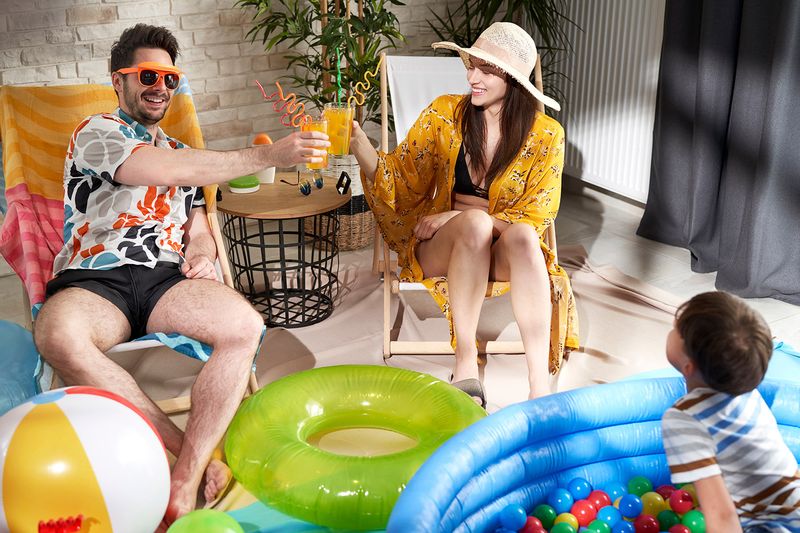
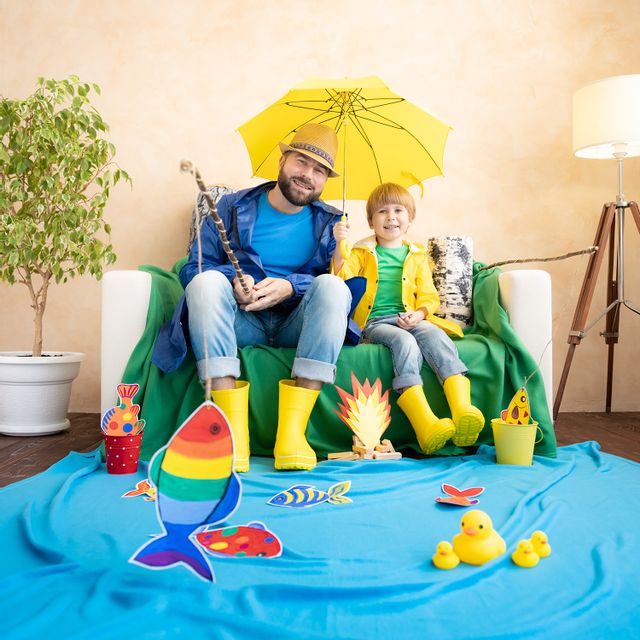
Kids Don’t Need Distance. They Need Presence: Adults often associate vacations with novelty and escape. Kids, on the other hand, experience it differently. What matters most to them isn’t how far you go, but how available you are when you get there.
Developmental psychologists have long emphasized that children thrive on shared attention. According to the American Psychological Association, positive family time plays a measurable role in children’s stress regulation and emotional security. Time away from routine demands can amplify those benefits, even if the location doesn’t change.
Less Distance, Less Stress: A stay-cation removes many of the pressures that come with traditional travel. There’s no airport anxiety, no rigid itinerary, and no exhaustion from packing and unpacking. That means parents are calmer, more patient, and more attuned. Kids often notice that shift immediately.
Child psychologist Dr. Lauri Baudino explains that children are highly sensitive to a hurried pace: “When we slow down, children feel secure enough to grow. There is no shortcut to emotional safety.
The Power of Familiar Spaces: There’s another reason stay-cations work so well for families: Children regulate better in environments they know.
Clinical research on stress and nervous system regulation shows that familiar settings reduce cognitive load for kids. When children aren’t overwhelmed by new surroundings, time zones, or disrupted sleep schedules, they have more emotional bandwidth for connection, creativity, and rest.
This is especially true for younger children and neurodivergent kids, who may find travel overstimulating rather than exciting. A stay-cation allows them to experience novelty in manageable doses, like a special museum day, a backyard camping night, or a local attraction without losing the comfort of home.
Parents benefit, too. Studies on vacation recovery have found that stress reduction is strongest when individuals feel a sense of control and autonomy over their time. Staying close to home makes it easier to follow your family’s natural rhythms rather than forcing everyone into a schedule that looks good on social media but feels terrible in real life.

Why Spring Break Is the Perfect Time to Stay Put: Spring Break often lands at a uniquely exhausting point in the family calendar. Parents are often stretched thin. Kids are tired and counting the days until summer. Everyone needs a reset.
A stay-cation offers a refreshing pause instead of another performance. Rather than cramming experiences into every hour, families can lean into slower pleasures. Think morning pancakes on a weekday, afternoon bike rides, or long library visits where no one is rushing. These moments may look small, but research shows that unstructured family time supports children’s creativity, emotional regulation, and sense of belonging.
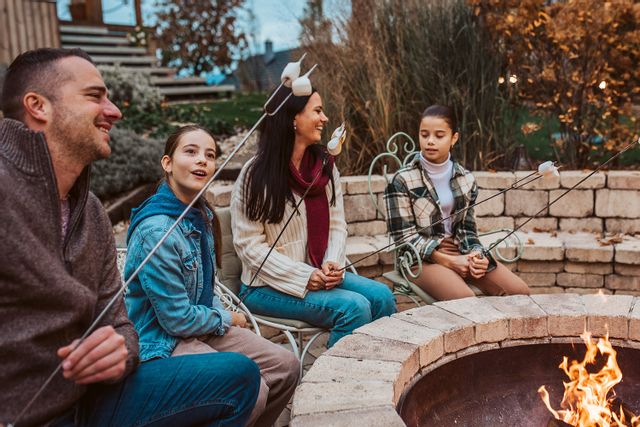
Redefining “Special” for Kids: Parents often worry that a stay-cation won’t feel special enough. But special doesn’t have to mean expensive or elaborate.
For children, novelty is relative. Sleeping in a blanket fort in the living room. Having a picnic dinner on the floor. Letting them help plan the week. These experiences stand out precisely because they break routine, not because they break the budget.
Child development experts note that predictability paired with small surprises creates a powerful sense of safety and excitement. A staycation allows families to layer delight onto an already secure foundation.
Even better, staycations send the powerful message that joy doesn’t require constant consumption or overspending. Fun isn’t something that only happens somewhere else. This mindset helps children develop gratitude, flexibility, and emotional resilience.
Mental Health Benefits for the Whole Family: Burnout isn’t just an adult problem. Children experience stress too, often without the language to describe it.
Family walks, shared meals, and relaxed schedules all contribute to lower levels of cortisol, the hormone associated with stress. Parents often report that behavioral issues decrease during low-pressure family breaks. Kids argue less. Transitions go more smoothly. And there’s more spontaneous laughter. That’s not accidental.
Making a Family Stay-cation Feel Intentional: The difference between “being home” and “being on stay-cation” is intention.
Experts recommend clearly marking the time as different from normal life. This might mean setting boundaries around work, even if you’re not leaving town. It might mean loosening rules slightly, like later bedtimes or special treats, to signal that this week is special.
Planning one anchor activity per day can help children feel grounded without feeling overscheduled. Try a park day, a movie afternoon, or a local adventure. The rest of the time can stay blissfully open.
Psychologists emphasize that boredom isn’t something to fear. Unstructured time helps children develop creativity and self-direction - skills that are increasingly rare and deeply valuable.
A Kinder Kind of Break: A family stay-cation may not look impressive on a postcard. It may not generate envy online. But it could do something far more important: It may help your family breathe a little easier together. And it might remind everyone that joy doesn’t require distance. It only requires attention.
This Spring Break, staying home doesn’t mean settling for less. It may mean choosing the kind of rest that actually restores your family, one slow morning and shared laugh at a time.
What Kids Remember Most About Time Off: Children rarely remember where they went. They remember how it felt.
Developmental psychologists note that long-term childhood memories are shaped less by destination and more by emotional tone.
Kids remember things like:
- When a parent wasn’t rushing
- When routines softened
- When they felt included in decisions
- When there was time to linger instead of hurrying.
This is why even modest Spring Breaks can become treasured memories. Emotional safety and connection create the kind of imprint that lasts far beyond a plane ticket.
For Parents Who Feel Guilty About Staying Home: If you feel a twinge of guilt for not planning a big Spring Break trip, you’re not alone.
Cultural messages often tell parents that “good” childhoods are filled with experiences, outings, and photos that prove effort. But child development research consistently shows that security, responsiveness, and shared time matter far more than novelty.
Staying home doesn’t mean that you gave your child less.
It may mean you gave them something quieter and deeper: a week where they had you, unhurried and present.
Conversation Starters That Build Connection: Use relaxed Spring Break moments to ask questions that invite connection, not performance.
- “What feels easier this week?”
- “What’s something you wish we did more of together?”
- “When do you feel best?”
- “What would make tomorrow fun for you?”
These conversations don’t need fixing or follow-up plans. Listening alone strengthens trust and emotional safety.
By Shannon Dean