
Keeping Young Minds Curious All Summer Long
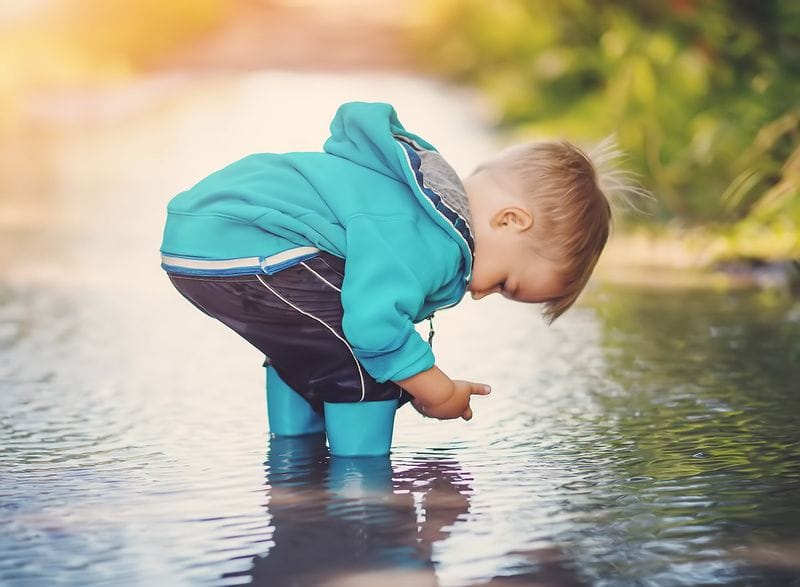
The first few weeks of summer often feel like a collective exhale. Backpacks are tucked away, alarm clocks are silenced and calendars suddenly look wide open. For children, it’s often a season of popsicles, park days, and unstructured play, especially in the Pacific Northwest, where the great outdoors invites endless exploration.
But as August approaches, many families start to notice small changes. A child who once zipped through a bedtime routine now struggles to settle. Another seems less confident with letters or numbers they proudly showed off in the spring. Focus feels harder to come by, and big emotions show up more often. It’s often around this time that parents begin hearing about the “summer slide” and wondering whether all that summer fun has come at the cost of learning.
Here’s the reassuring truth: learning doesn’t disappear over the summer. For young children, it simply looks different—and that difference can actually be a good thing.
What the “Summer Slide” Really Means
Educators use the term “summer slide” to describe the learning loss that can happen when children are away from structured school routines for extended periods. For younger children, though, it’s rarely about academics alone. It’s more often about consistency, confidence and staying engaged.
Young children learn best through hands-on experiences, play and conversation. When routines change dramatically, it can affect how secure and capable they feel, and that emotional piece is closely tied to learning. It’s also worth remembering that summer should feel like summer. Children need downtime, exploration and freedom just as much as they need structure.
Rather than trying to recreate the school year at home, summer offers a chance to support learning in ways that feel natural, joyful and low-pressure.
Curiosity Is the Secret Weapon
One of the most effective ways to prevent the summer slide is by nurturing curiosity. Young children are naturally curious, and that instinct can be a powerful driver of learning. With thoughtful guidance from adults, children can build on their curiosity by exploring their interests, investigating new ideas and asking questions.
Curiosity builds confidence. When a child figures something out on their own or sticks with an interest long enough to understand it better, they begin to trust their abilities. Curiosity also strengthens problem-solving as children try things out, make mistakes and try again. Along the way, it fuels language development through conversation, storytelling and new vocabulary.
Most importantly, curiosity helps children see learning as something that happens everywhere, not just in a classroom. In fact, some of the most natural and meaningful learning occurs beyond the four walls of school, where children can explore, ask questions and engage with the world around them.
Real Learning Happens in Real Life
Summer is full of everyday moments that offer rich learning opportunities, often without parents even realizing it. Balancing family time with summer play requires a mix of intentional and flexible structure.
A trip to the farmer’s market becomes a chance to read signs, compare prices and talk about where food comes from. A walk along the coast or a hike through the woods turns into counting shells, spotting patterns in rocks or wondering why trees grow the way they do. Even long car rides can spark learning, thanks to an endless stream of “why” questions.
These experiences build many of the same foundational skills as formal lessons. Children practice early math skills when they count, sort and measure. They build literacy when they talk through experiences, tell stories and listen to new words. Just as important, they gain confidence when they realize their thoughts and questions are worth paying attention to.
When parents slow down enough to notice and join in, the benefits extend far beyond preventing burnout. It strengthens emotional bonds, supports the mental health of both parent and child and encourages a healthy, active lifestyle that can be naturally woven into everyday life. Summer can be the starting point—but these habits and connections can carry through all four seasons.
Why Routines Still Matter
Even though summer should feel relaxed, predictable rhythms still play an important role. Children thrive when they know what to expect, even if the schedule looks lighter—or at least different— than it does during the school year.
Consistent sleep routines help regulate mood and focus. Regular mealtimes offer natural opportunities for conversation and connection. Setting aside time each day for reading or quiet play can provide a comforting anchor.
These routines don’t need to exactly mirror the school year. Flexibility is part of summer’s charm. But when structure disappears entirely, children often show it through restlessness, frustration or withdrawal. Predictability gives them the emotional security they need to explore, learn and stay curious.
Simple, Low-Pressure Ways to Keep Learning Going
Supporting summer learning doesn’t require elaborate plans or expensive materials. In fact, the simplest habits often make the biggest impact:
Read together every day. Even a short, shared reading routine supports language development and helps children build positive associations with books.
Let children help plan. Choosing between activities or helping map out the day builds decision-making skills and a sense of ownership.
Encourage storytelling. Ask your child to tell you about their day, a dream or a favorite memory. This builds sequencing, vocabulary and confidence.
Ask open-ended questions. Questions like “What did you notice?” or “Why do you think that happened?” invite deeper thinking and conversation.
The goal isn’t mastery or measurable progress. Rather, it’s keeping children engaged and curious.
Let Summer Be a Launchpad, Not a Pause
As summer begins to wind down, many parents feel pressure to ensure their children are academically “ready” for the next school year. For young children, however, school readiness is less about academics and more about feeling capable, confident and excited to learn. They make sense of the world around them through play—and this is the foundation on which all future learning is built.
When children spend the summer wondering, exploring and discovering alongside the adults who care for them, they don’t lose learning momentum, they build it in quieter, and often more meaningful, ways. Confidence grows through small successes, and curiosity stays alive because learning feels joyful, not forced.
As parents, we don’t need all the answers. Sometimes the most powerful thing we can do is slow down, ask questions alongside our children and stay curious ourselves. Summer offers that opportunity, and when we embrace it, learning naturally follows.